Six Ways Retro-Style Tiles Bring the 70s to Your Home
The 1970s: a decade of bold expression, earthy tones, and patterns that weren’t afraid to make a statement. While some trends from that era might best be left in the past (we’re looking at you, avocado-green shag carpet), the retro-style tile is making a triumphant, tasteful return. It’s a fantastic way to infuse your modern space with a nostalgic twist, adding personality and undeniable charm.
If you’re ready to channel your inner disco diva or embrace the laid-back, earthy aesthetic of the Me Decade, here are six ways retro-style tiles can bring the fabulous ’70s right into your home.
1. Embrace Geometric Patterns with Confidence
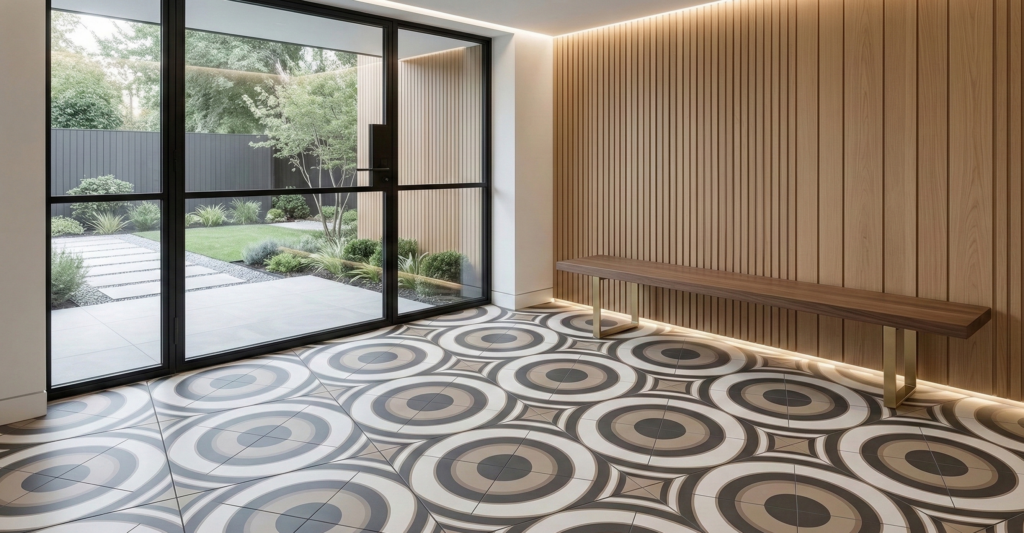
The ’70s were defined by geometry. Forget subtle backsplashes—we’re talking about repeating patterns that demand attention. Look for tiles featuring interlocking circles, bold checkerboards (often in contrasting colors like mustard and brown), or simple, repeating squares and hexagons. Using these striking geometric designs in an entryway or as a feature wall in a bathroom instantly grounds the space in retro cool.
2. Dive into a Decade of Earth Tones
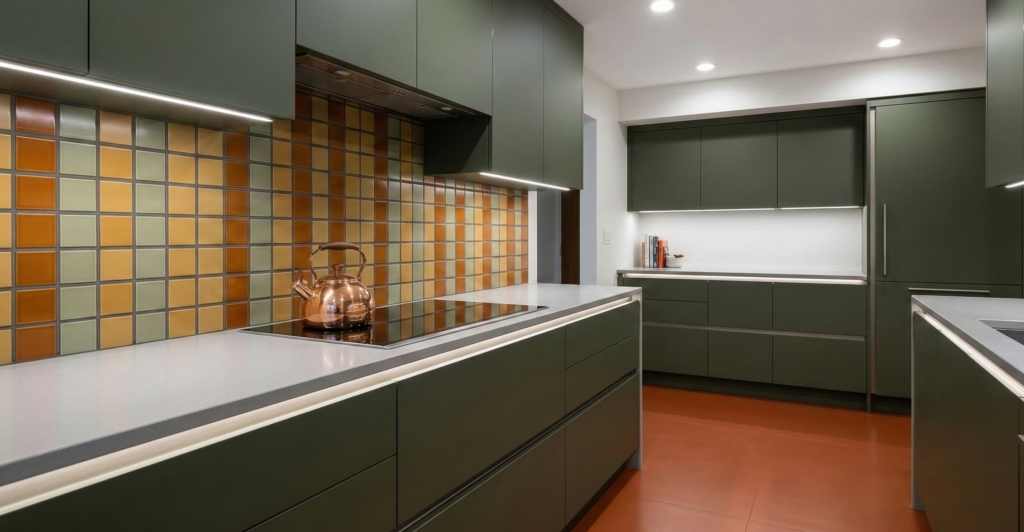
Color is key to capturing the 1970s aesthetic. Step away from stark whites and cool grays, and welcome the warmth of the earth. Tiles in shades of burnt orange, harvest gold, avocado green, mustard yellow, and deep chocolate brown are the cornerstones of this look. These rich, warm colors feel cozy, inviting, and effortlessly authentic. Try them in a mosaic pattern or in a single, saturated color on a kitchen floor.
3. Play with Texture and Finish
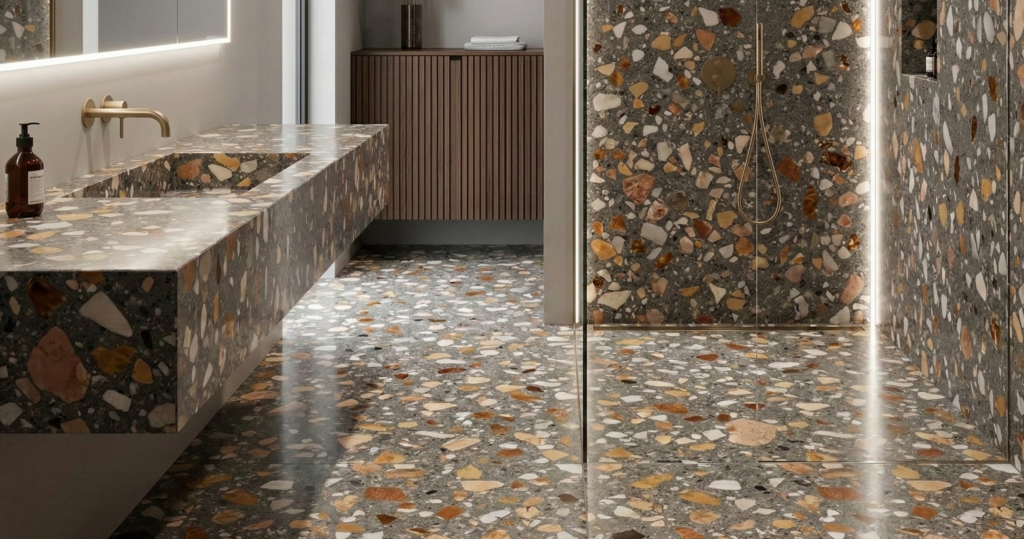
Tile texture was big in the ’70s. Look beyond smooth, glossy finishes and explore options with a matte, slightly rugged, or even a subtle, irregular texture. Terrazzo, a composite material featuring chips of marble, quartz, or glass, is a hugely popular retro finish that adds texture and visual depth. It’s perfect for both floors and countertops, offering that quintessential vintage Italian-inspired look.
4. Create a Grout Grid Statement
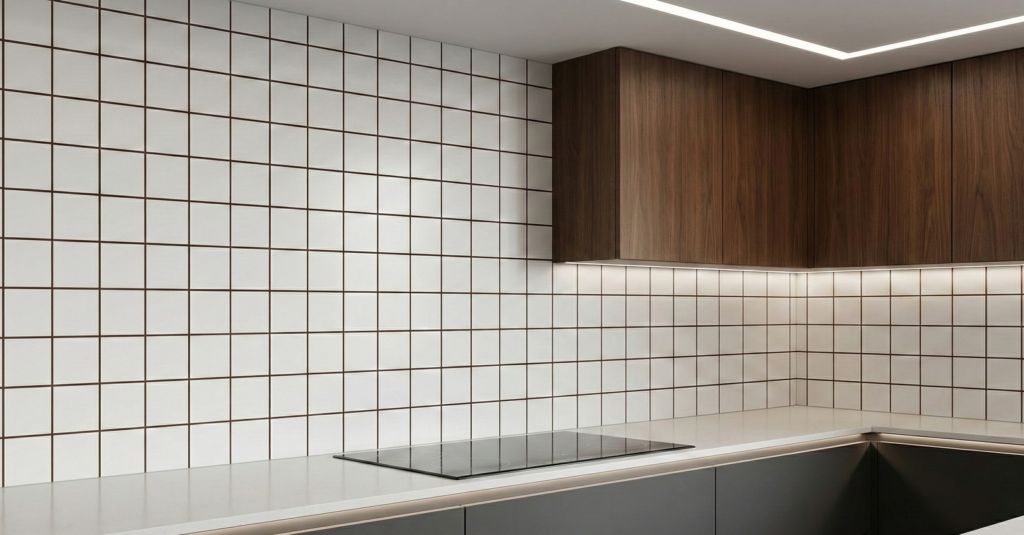
In the 1970s, the grout wasn’t just there to fill the gaps; it was part of the design. White subway tiles with matching white grout have their place, but to nail the retro look, choose a high-contrast grout color. Think black or dark gray grout paired with brightly colored tiles, or a colored grout like brown or yellow paired with a classic white tile. This technique makes the geometric grid pop, emphasizing the linear, structured feel that was so prevalent in the era.
5. Install a Feature Wall with Mosaic Tiles
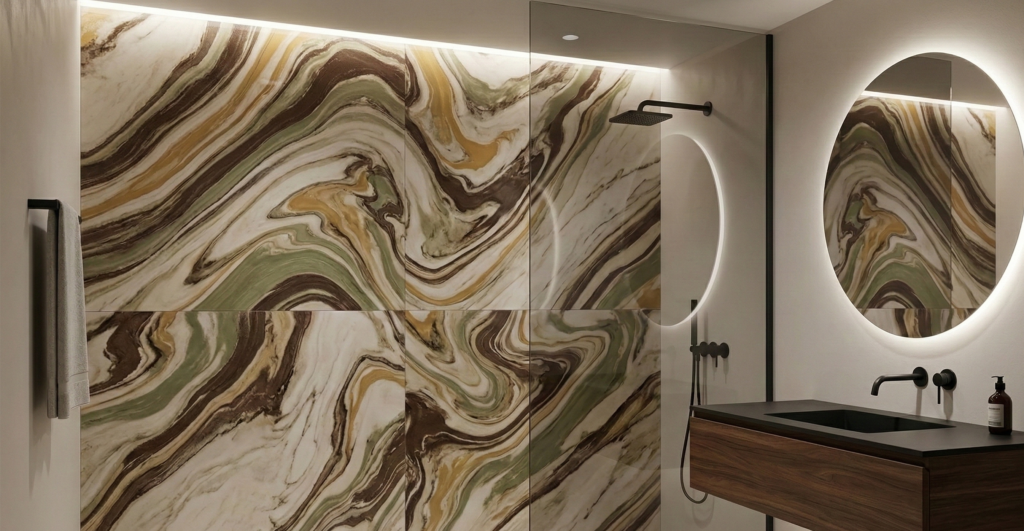
The bathroom, in particular, was a canvas for vibrant expression. Consider tiling an entire shower or a bathroom vanity wall with small, square mosaic tiles. To keep it authentic, look for a blend of colors like browns, creams, and greens, or a mix of contrasting colors that create a distinctive, swirling pattern. This technique is bold and impactful, turning a functional space into a true piece of design history.
6. Introduce the “Penny Round” Tile
The small, circular “penny round” mosaic tile, while having roots earlier in the century, had a major resurgence in the 1970s, often appearing in groovy, high-contrast color combinations. These little rounds create a beautiful, organic texture underfoot and on walls. Installing them in a classic 1970s palette—think white with black circles scattered throughout, or a solid block of burnt orange—is a subtle yet effective nod to the decade’s iconic floor treatments.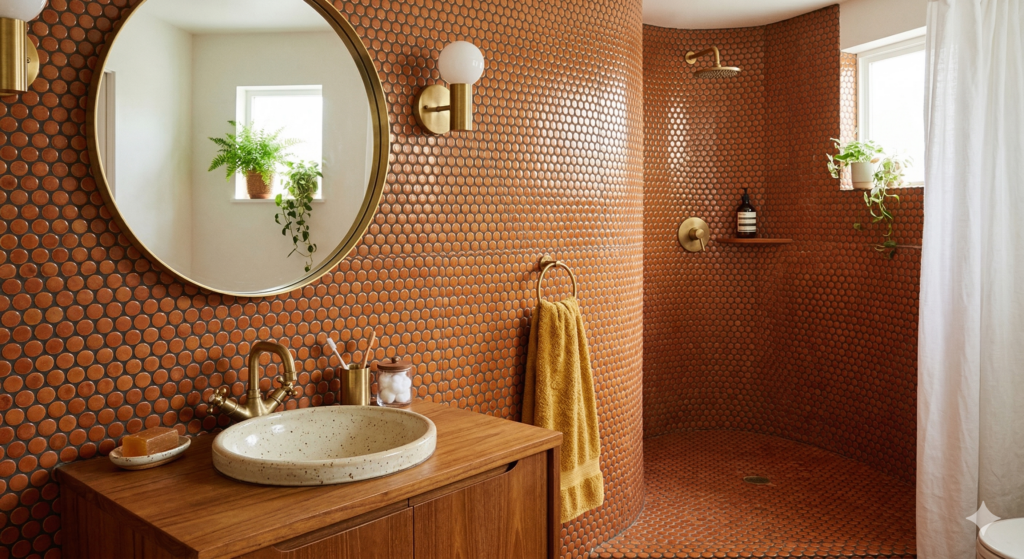
Retro-style tiles are more than just a passing trend; they are a timeless celebration of warmth, pattern, and personality. By choosing one of these six design approaches, you can infuse your home with the creative energy of the ’70s without ever having to vacuum a single shag carpet fiber.