Into the woods with Deluco
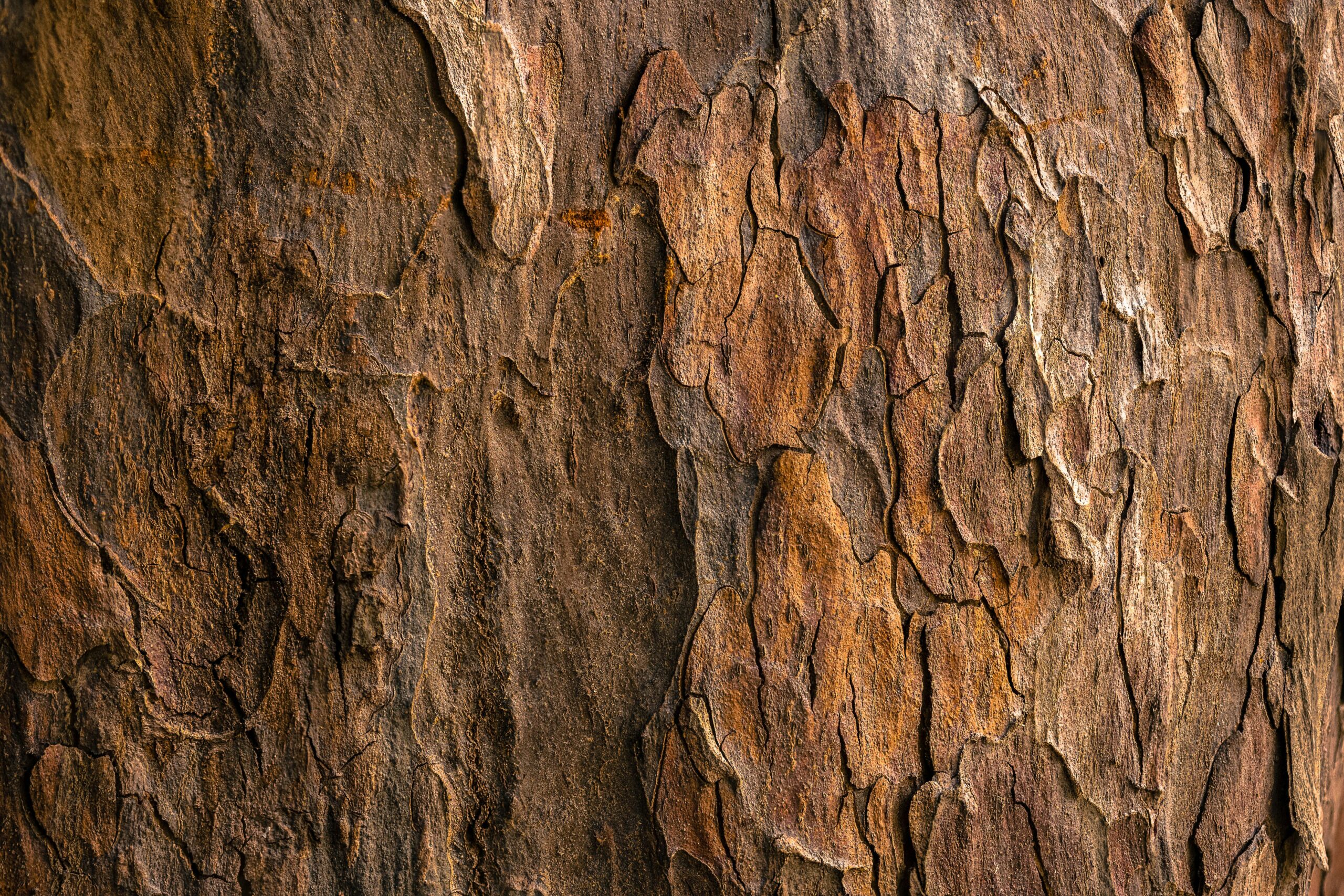
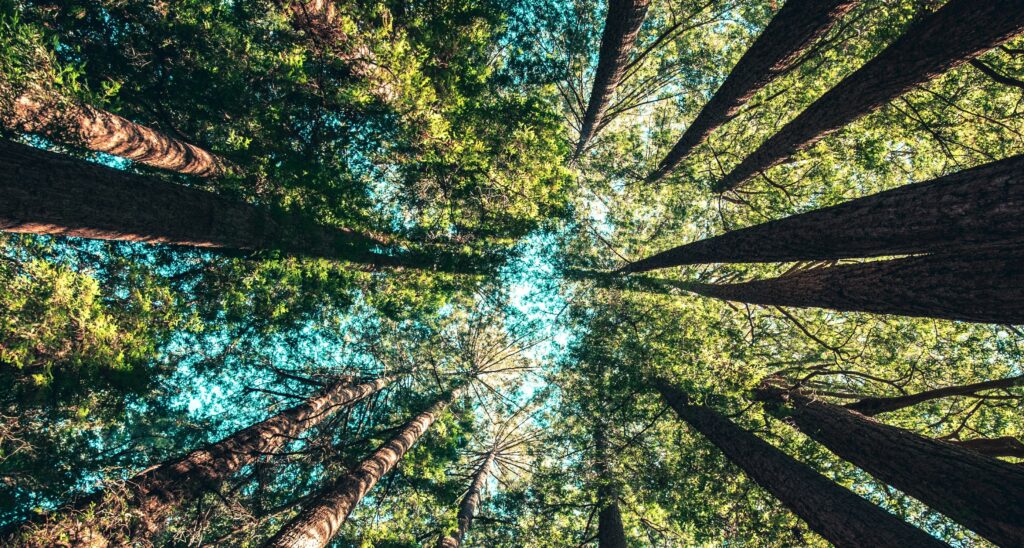
Trees are, in the form of one species or another, found almost everywhere on the planet, with a few exceptions. Therefore, different civilisations have found a huge variety of uses, taking advantage of the different qualities each species provides. The fossil record has the first true trees appearing around 400 million years ago. Trees are amongst the oldest living things around with a Welsh Yew, an Iranian Cedar and a couple of Bristlecone Pines in the U.S. being over 4,000 years old. They range from 1cm (Arctic Dwarf Willow) to almost 120 m in the case of a Northern Californian Sequoia.
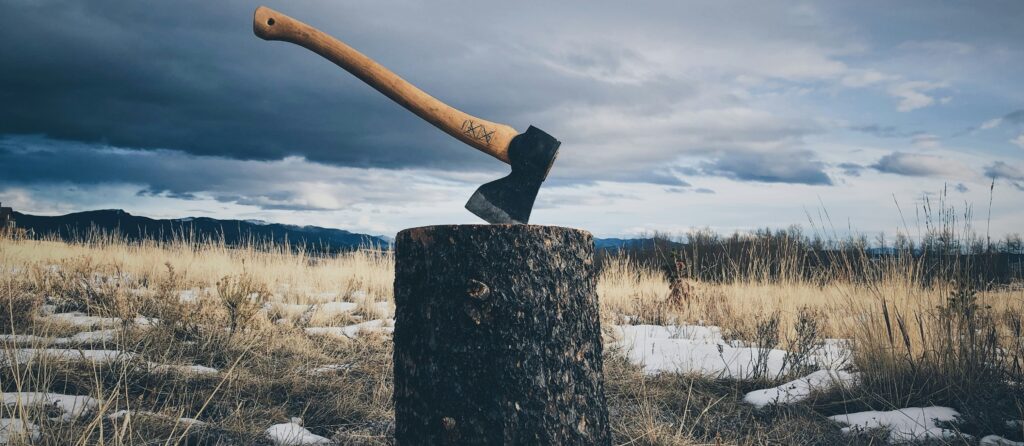
Trees have provided us with wood which has been used in construction, furnishing and decoration for millennia in addition to its importance as a fuel and a transport medium. One of the most popular and durable hardwoods is Oak which, depending on the species and location, takes from 60 – 150 years to provide timber with the best quality usually being more than 100 years old. Other hardwoods such as Walnut, Cedar, Teak and Hickory typically need 50 – 100 years to mature with, again, the best quality product being over 100 years of age.
As living things requiring large swathes of land and providing rich ecosystems whilst also serving as carbon sinks, sustainability is a major consideration when planting and harvesting trees. Deciduous and mixed woodlands generate the most diverse ecosystems while conifer monocultures are relatively poor in this regard. Old growth woodlands have been decimated over recent centuries and those that remain are, for the most part, protected from exploitation considering that they take centuries to regenerate if they ever can.
As living things requiring large swathes of land and providing rich ecosystems whilst also serving as carbon sinks, sustainability is a major consideration when planting and harvesting trees. Deciduous and mixed woodlands generate the most diverse ecosystems while conifer monocultures are relatively poor in this regard. Old growth woodlands have been decimated over recent centuries and those that remain are, for the most part, protected from exploitation considering that they take centuries to regenerate if they ever can.
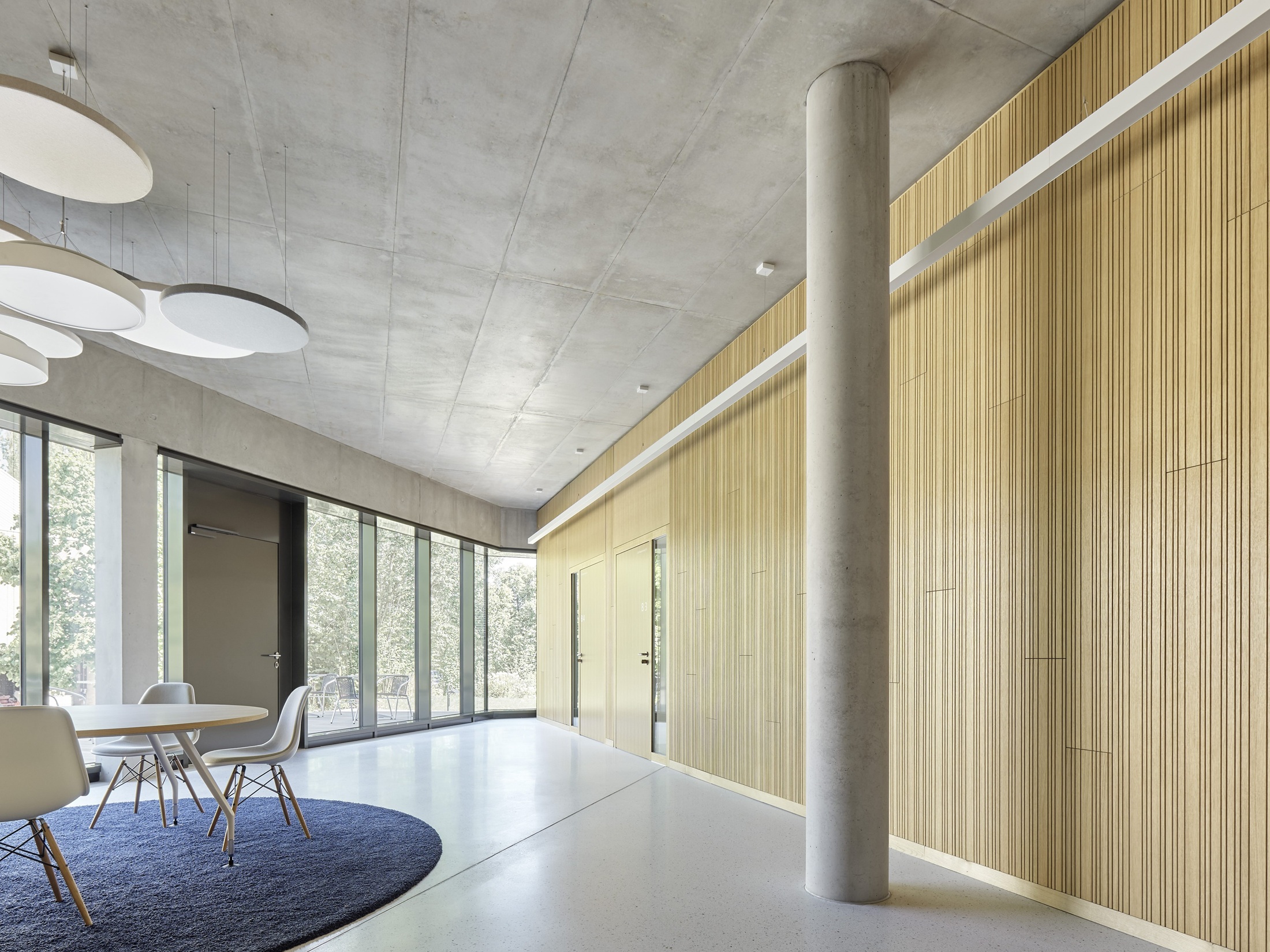
Engineered wood is often an attractive and economical option in that it can offer the appearance and the durability of a hardwood while utilizing a fraction of the hardwood in question. The basis of an engineered wood may be softwood (such as pine which generally matures much faster than a hardwood), plywood, wood waste or wood fibres bound together with glue or resin and topped with a hardwood veneer. The wide variety of techniques and products means that engineered wood is incredibly versatile and can serve in an equally-wide variety of furnishing and decorative purposes including those where pest resistance or maintenance-free lifetime is a requirement.
Deluco and our suppliers exercise great care in ensuring that the wood we offer is legally sourced and the environmental impact minimized.
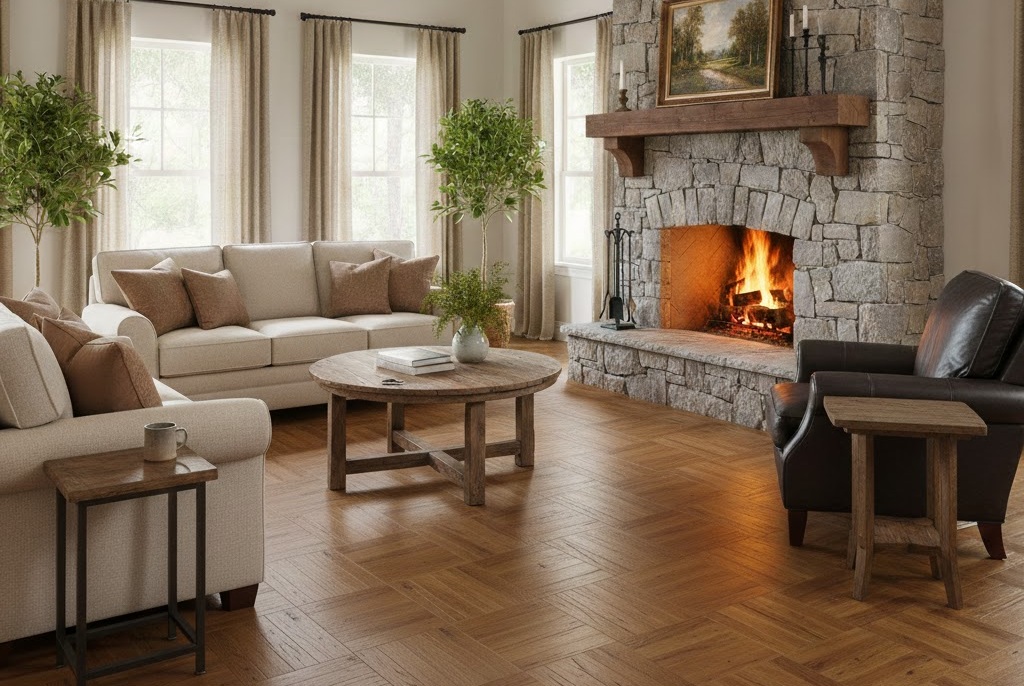
Sustainable forestry requires that forests are managed in such a way that allows present and future economic exploitation to society’s benefit while facilitating environmental recovery and maintaining ecological functions including biodiversity, soil health and water quality.
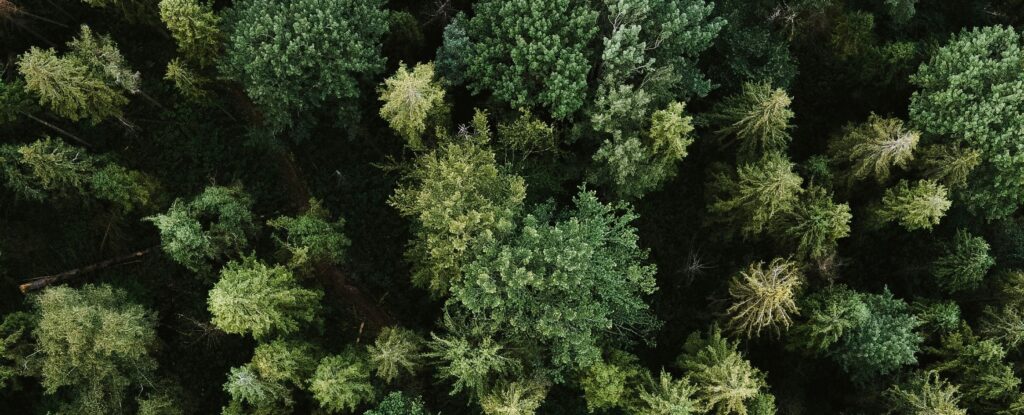
Sustainable practices come close to imitating natural processes of destruction, disturbance and regeneration of whole ecosystems while respecting wildlife and the needs of forest communities. In particular densely-packed conifer monoculture planting is fast becoming uneconomic as, for example, in central Germany hundreds of Km2 of Spruce are dead or dying through the effects of climate change and damage from bark beetles while much of the world becomes ever-more vulnerable to fire. Accordingly we need to move towards mixed forestry (even integrating with farmland and thus benefitting both) and move away from clear-cut harvesting.
So let’s enjoy the beauty, practicality and durability of wood in all its applications and let’s do it responsibly.