Background
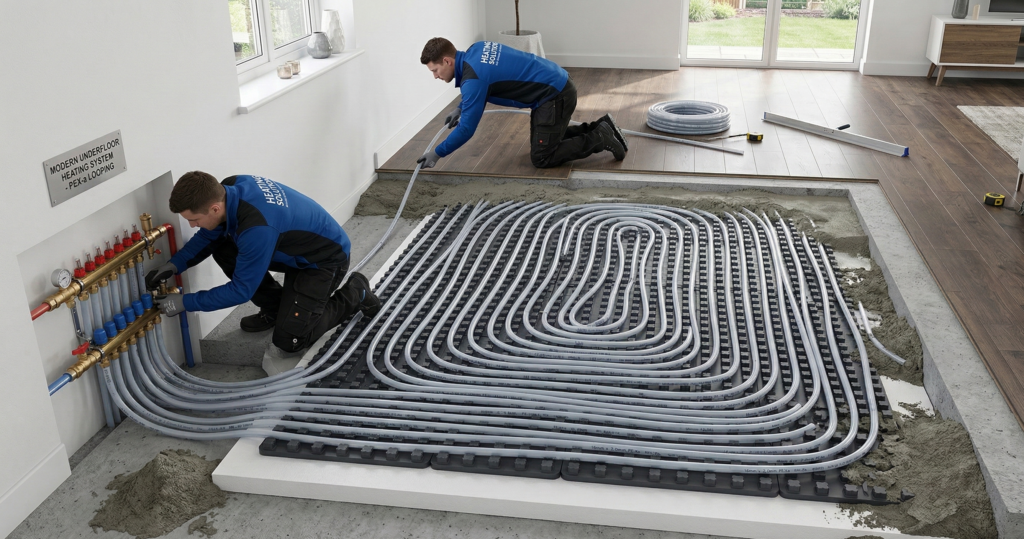
Once considered a luxury option, underfloor heating (UFH) is increasingly popular in new housing due to its relative efficiency and its flexibility regarding energy sources including renewables.
While we consider it a modern, often high-tech solution, like so much of today’s world it has a longer history than many imagine.
The Koreans are thought to have been the earliest adopters of UFH from around 7,000 years ago using the ondol/gudeul systems which channel smoke from a cooking fire or a dedicated furnace through spaces beneath a stone floor before its exit via a conventional chimney. This system, while updated, is still in operation today in Korea and neighbouring parts of China.
Later, 2 – 3,000 years ago, the Chinese and the Romans used raised floors and wall ducts to better distribute the heat in their kang and hypocaust systems respectively. The Romans apparently stole the idea from the Greeks and claimed it as their own but, nevertheless scaled it up to include baths and the like while bringing it to the (wealthy) masses throughout the Roman world.
The kind of installations we would recognise today using piped water as the heat source first appeared in Canada in the 1960s and were very quickly adopted by the Scandinavians and others in Northern Europe.
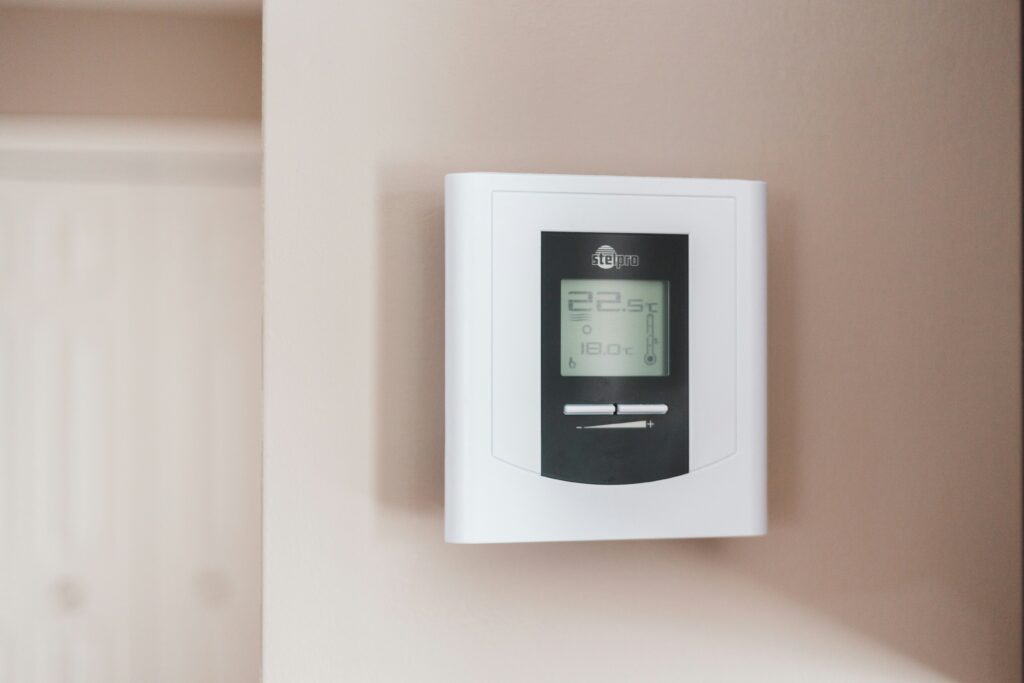
Compatibility of today’s UFH options with smart control systems is an added attraction.
So-called “Dry” systems (electric) are often used as a retrofit when remodeling bathrooms in particular whereas “Wet” set ups (use water) are the norm in new builds and may cover most or all of the rooms in the house.
As our climate trends evermore towards extremes, underfloor systems combining heating with limited cooling capabilities by way of reversible heat pumps are becoming increasingly attractive for homes and commercial premises.
Best flooring materials for UFH
Based on likely pattern of use, key points to consider are temperature resilience, thermal conduction properties, thickness, durability and the need (if any) for expansion gaps.
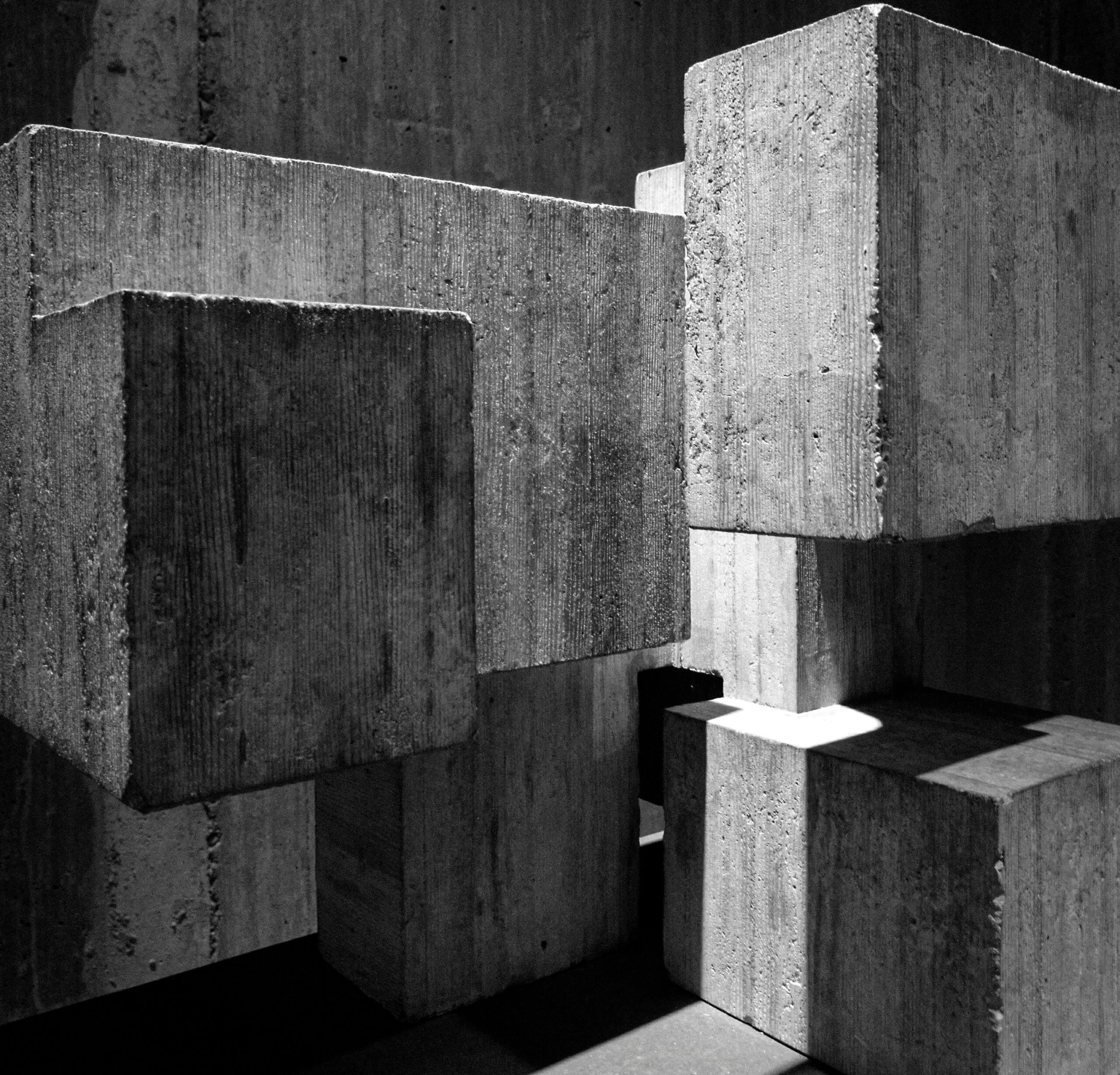
Ceramics, limestone, marble, slate and concrete are considered the best all-round materials. Thin (10mm) tiles are often chosen for bathrooms where a rapid warm-up is desired with thicker (20mm) tiles or concrete being especially suitable for larger areas which are to be warmed over extended periods given their excellent heat retention and durability. Other than aesthetics, the choice of thickness and tile or slab size will be determined by customer requirements.
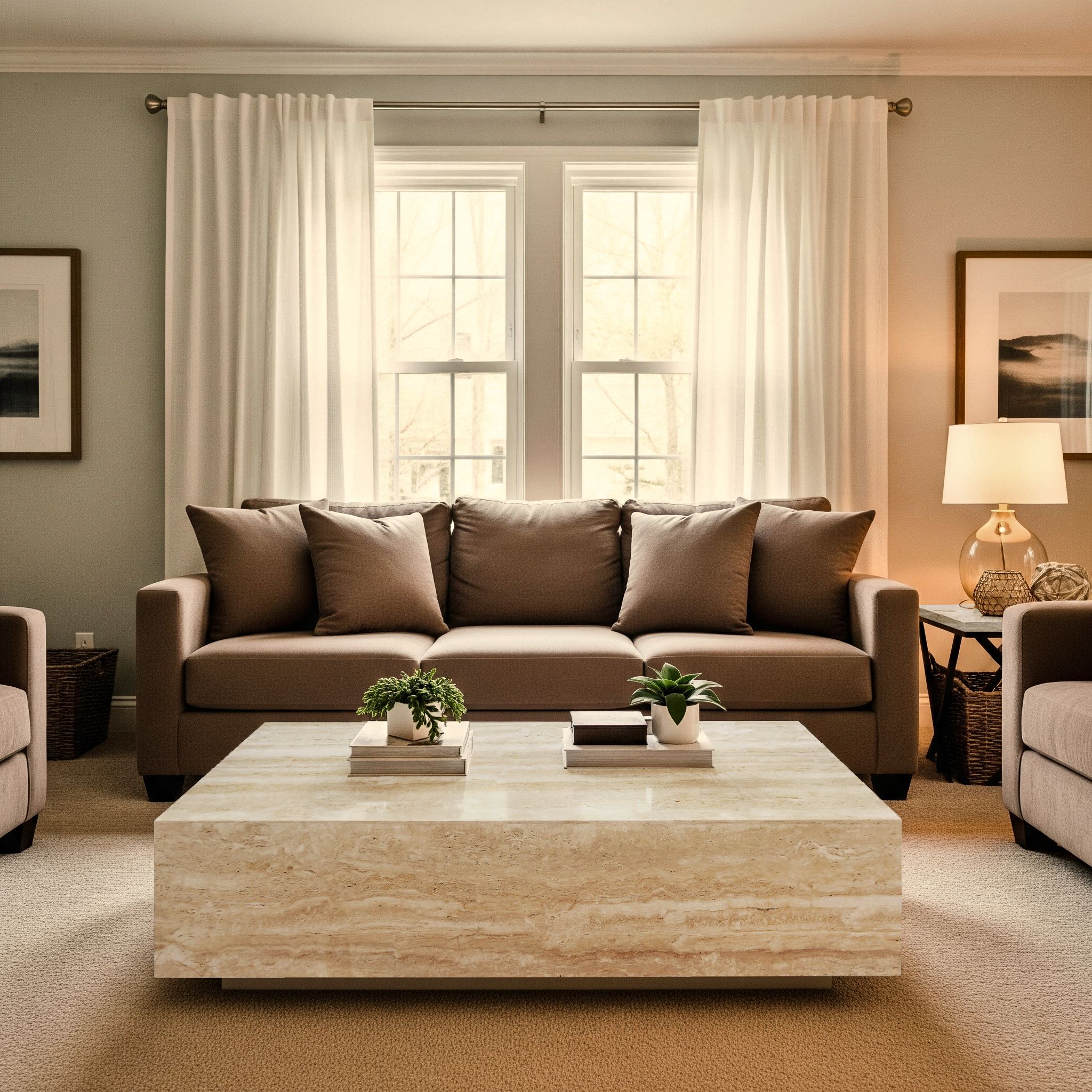
Concrete flooring would normally be used together with carpet cover which may reduce the overall efficiency somewhat. Natural stone, on the other hand, is often chosen for its aesthetic appeal and is therefore used in its natural, exposed and beautiful form.
Engineered wood is a viable and elegant option provided that it is of a quality sufficient to withstand prolonged exposure to heat and is professionally installed.
At Deluco we are ready to advise as to your flooring choices whether to be incorporated with UFH or not and to supply the materials which bring dreams to life.