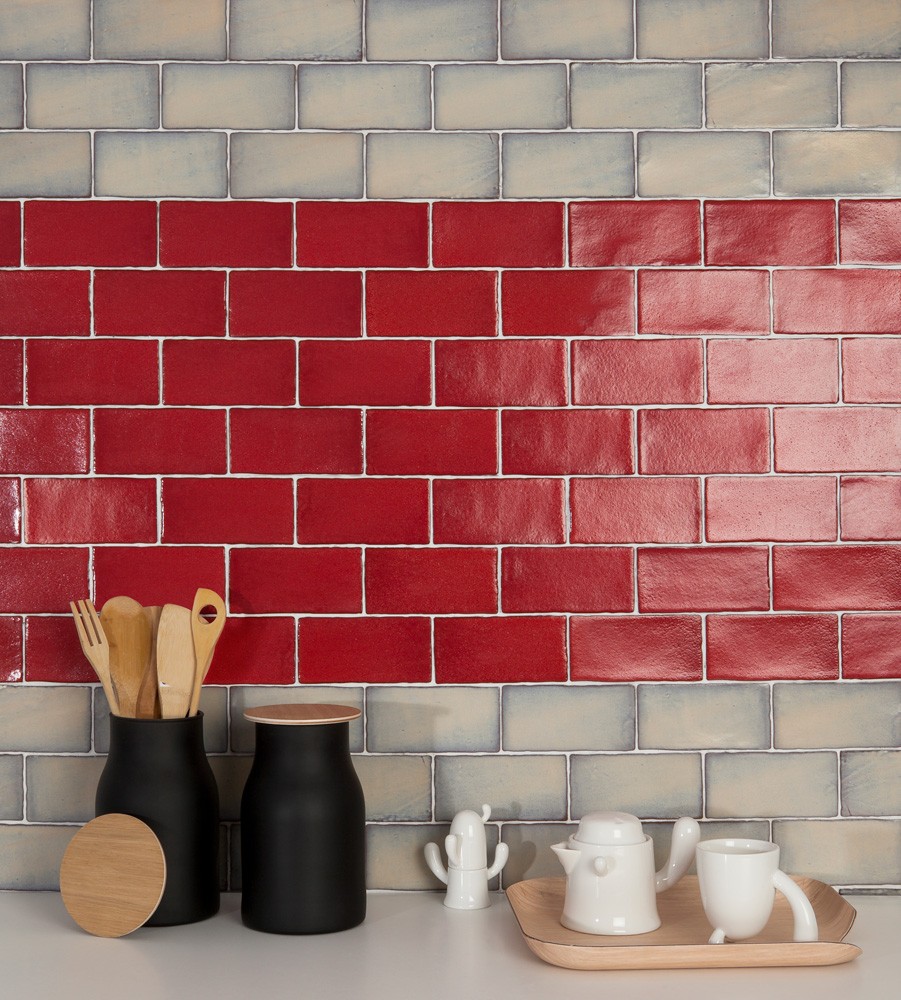
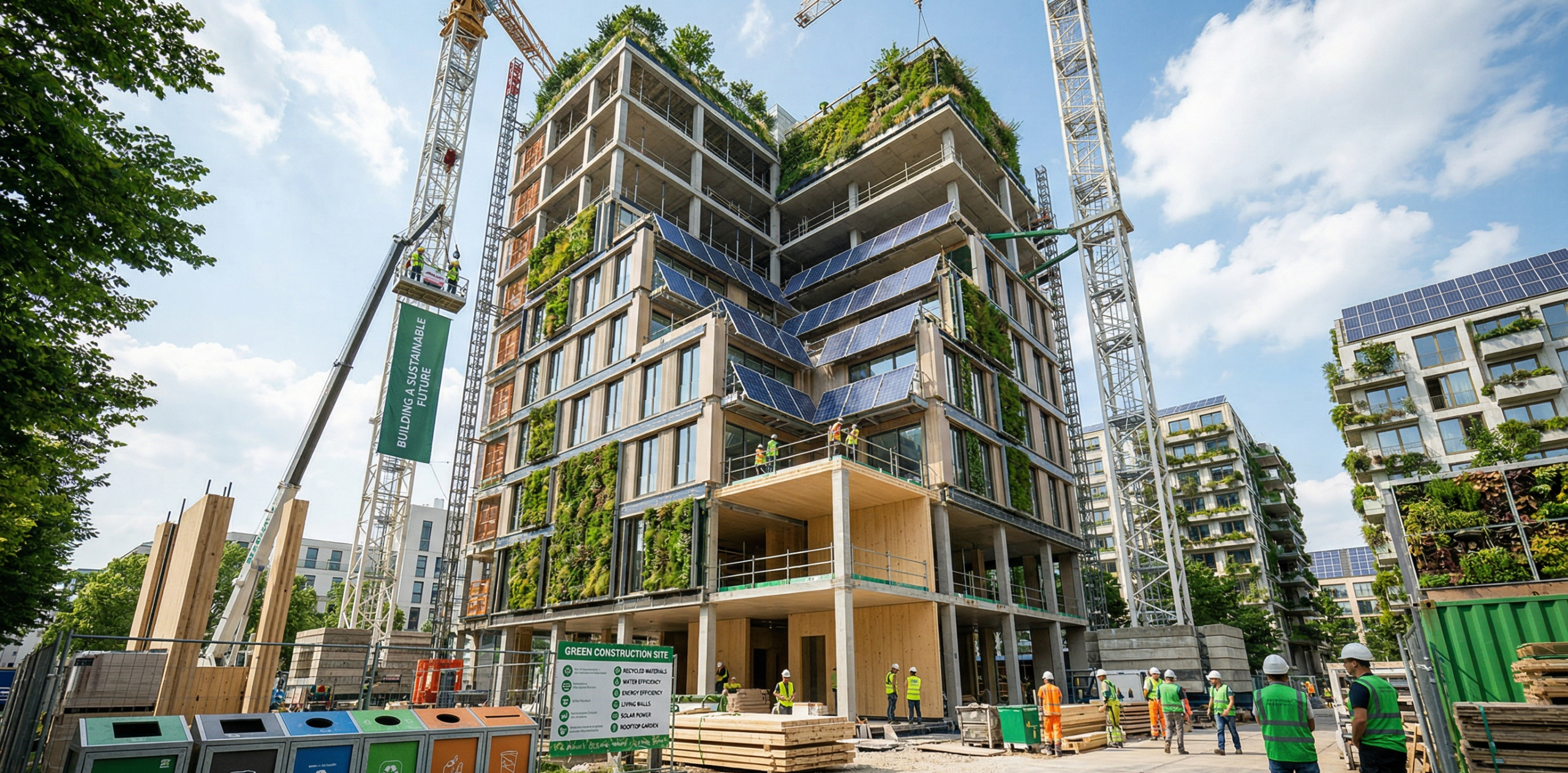
At Deluco we are acutely aware of our responsibility regarding sourcing and are well-placed to advise whenever the environmental impact of finishing materials is a consideration. We assess the impact of every supplier and material we work with to ensure that we can provide the most sustainable option. To this end we look at all materials from the most traditional to the cutting edge of today’s technology.
THE OLDEST NEW BUILDING MATERIAL
Cork farming goes back more than 5,000 years in Asia. Best known in Western countries for its use in wine bottle stoppers, it has historically been widely used as footwear and fishing floats in Asia and the Mediterranean where its water-repellent properties ensure a long service life. Today Portugal is the largest producer in the world, accounting for almost half of all cork production around the Mediterranean, where most of the world’s cork is produced. It is typically harvested every 9 years.
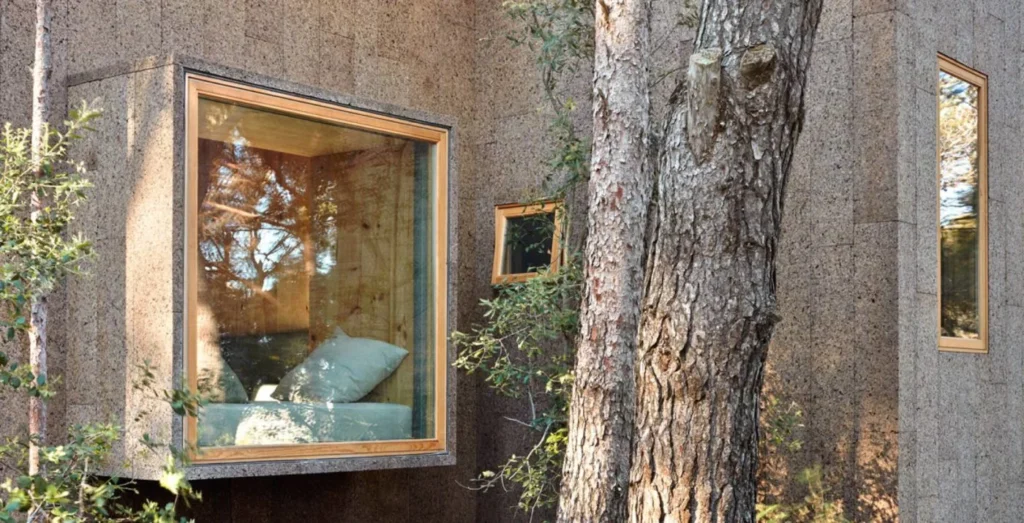
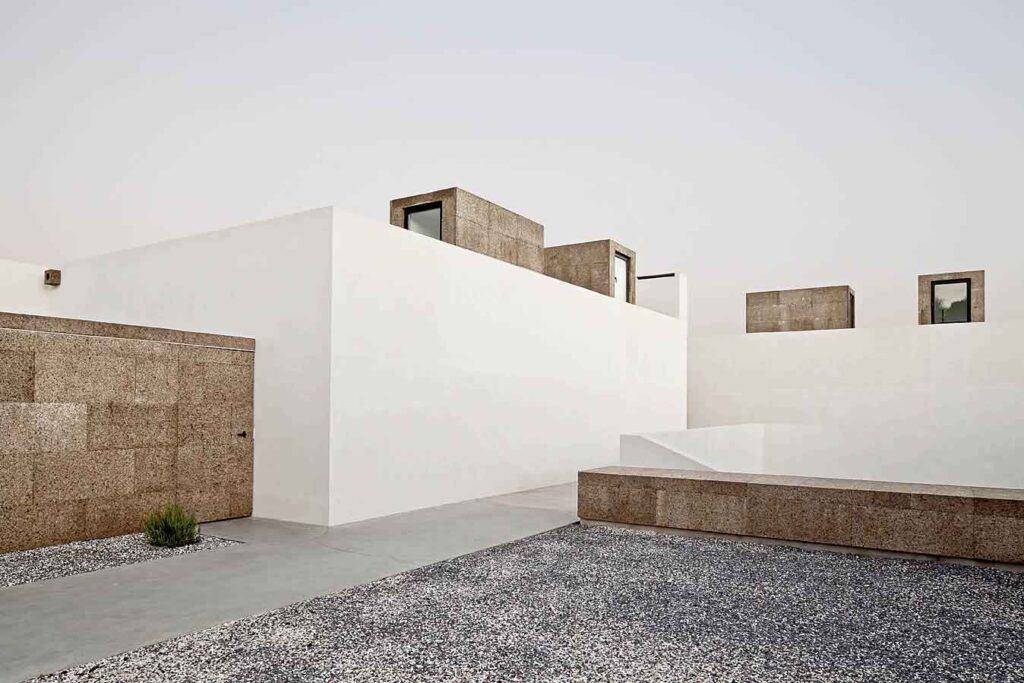
It is, however, continually finding new uses – especially in construction where, for example, it may be used for thermal and acoustic insulation purposes and as facades on buildings. Cork is more than 20 times more efficient in terms of energy use compared to most alternatives.
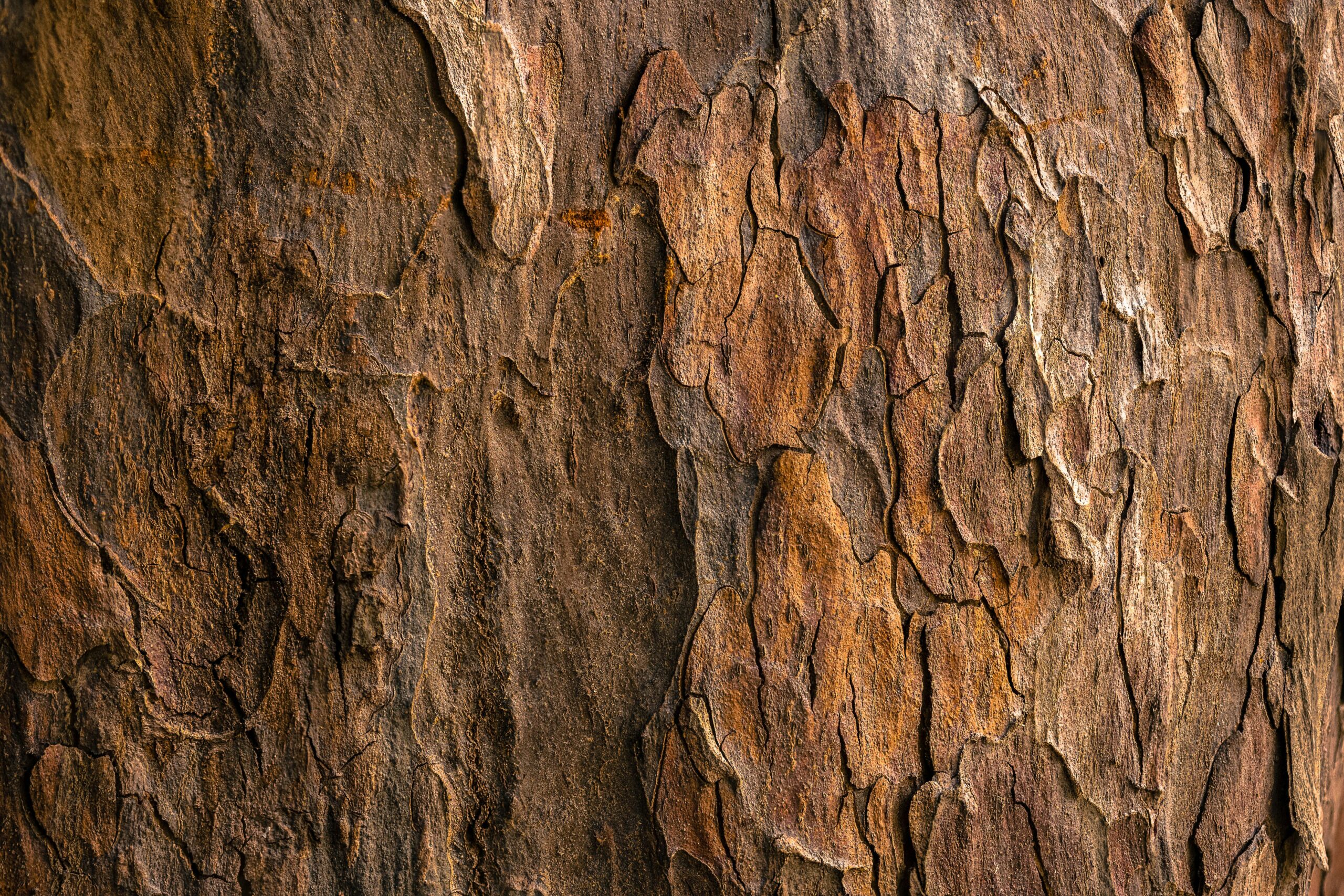
The production process is simple and ecofriendly. Bark is stripped every 9 years, leaving the tree intact. The bark is ground into chips, which is then put into a rectangular vat, where it is heated and compressed. No glues or resins added, the bark binding to itself to create a remarkably resilient block. These blocks are then sliced into slabs of the required thickness, and can even be carved into designs. The cork blocks are suitable for outdoor use too, as the material is naturally resistant to weathering.
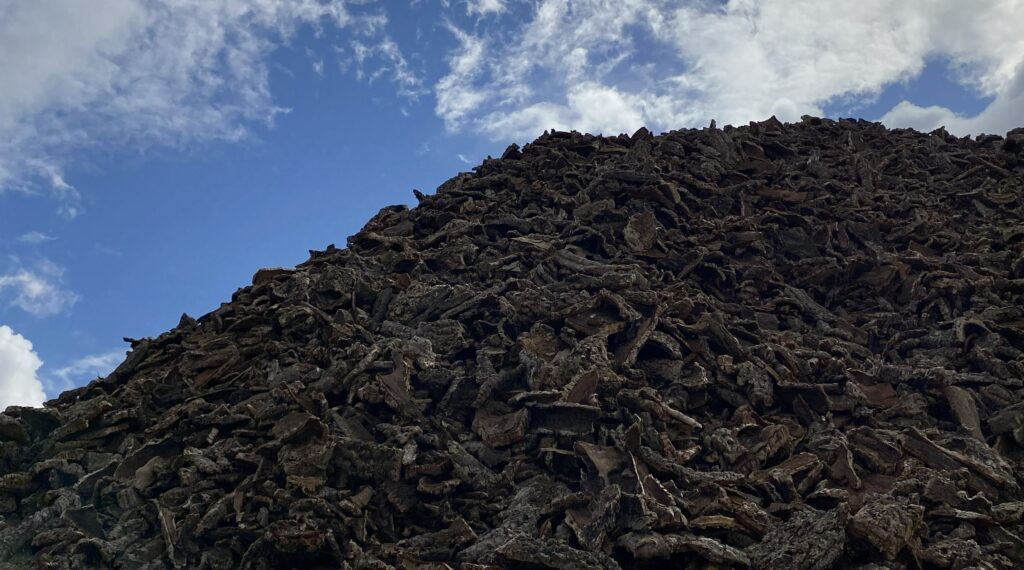
When it comes to sustainability and environmental conservation, cork is an excellent choice. A cork tree will produce about 30 cork harvests over its lifetime with very little input in terms of water or chemicals required. In addition, the cork plantations protect against soil erosion and degradation while providing a biodiverse ecosystem in terms of both flora and fauna. Cork is potentially a zero-waste product and may also be re-cycled. It has a lifetime carbon footprint of between 5 and 10% compared to that of plastic and other alternatives. There are currently several pilot projects where cork is the principal construction material for homes as models of sustainability.
Other innovations include replacement of traditional infill where synthetic turf has been based around rubber materials, resulting in often uncomfortably hot surfaces and problems with disposal at the end of its service life. A mix of cork and coconut husks and other sustainable, natural materials provides a cooler surface and zero environmental issues with disposal. Indeed, it is increasingly used to improve soil quality in gardens and the like.
Alongside our porcelain, stone and wood products, Deluco also offers a range of cork-based finishing materials. Contact us to see how we can include cork in your design and construction projects or browse our website now to see our full range of products and explore how we can bring your dreams to life.