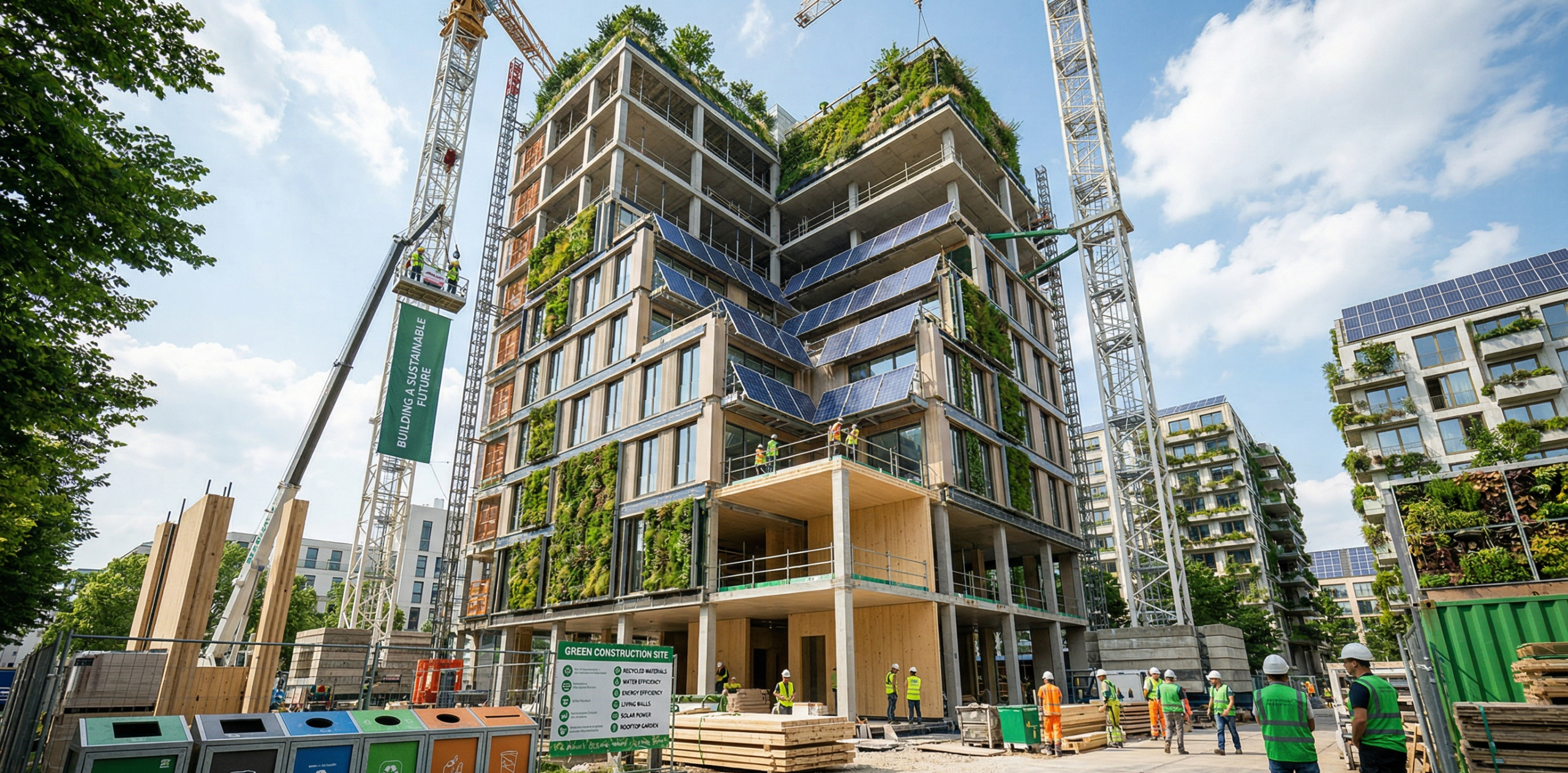
At Deluco we are acutely aware of our responsibility and are well-placed to advise whenever the environmental impact of finishing materials is a consideration as clients become more attuned to sustainability issues.
As corporate sustainability initiatives grow, there is an increasing push from the public and many governments to ensure that these efforts are grounded in comprehensive science rather than just public relations or news media focus on this week’s villain, be it Big Oil, air travel, fast fashion or meat-eating.
True sustainability is about much more than a carbon footprint and must include broader environmental parameters alongside other factors given that much of human activity is unsustainable at present and around 21/2 planet Earths would be required to support the current rate of use of resources.
The need for heightened awareness and scrutiny must drive higher standards, combat “Greenwashing” and build trust through transparency.
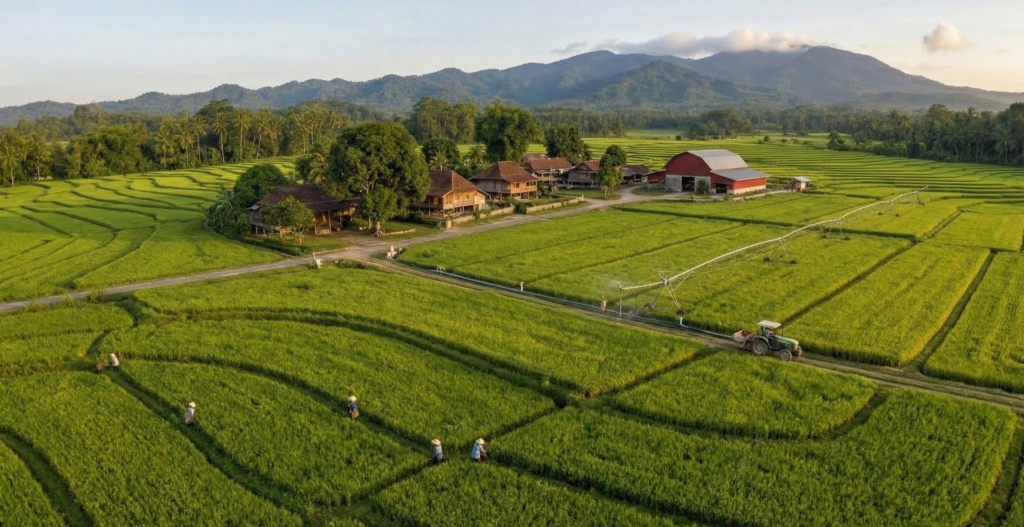
The world’s increasing population needs agriculture to keep pace with the need for food which it has achieved magnificently in much of the world. However, successfully feeding a growing global population remains a monumental challenge and the agricultural sector is under pressure to reform its practices as consequences such as polluted rivers caused by run-off from manure and fertilizer become all-too apparent.
Mistakes have often been made, even with the best of intentions. For example, recycling of sewage to grazing and arable land has inserted PFAs (“Forever chemicals”) into the food chain.
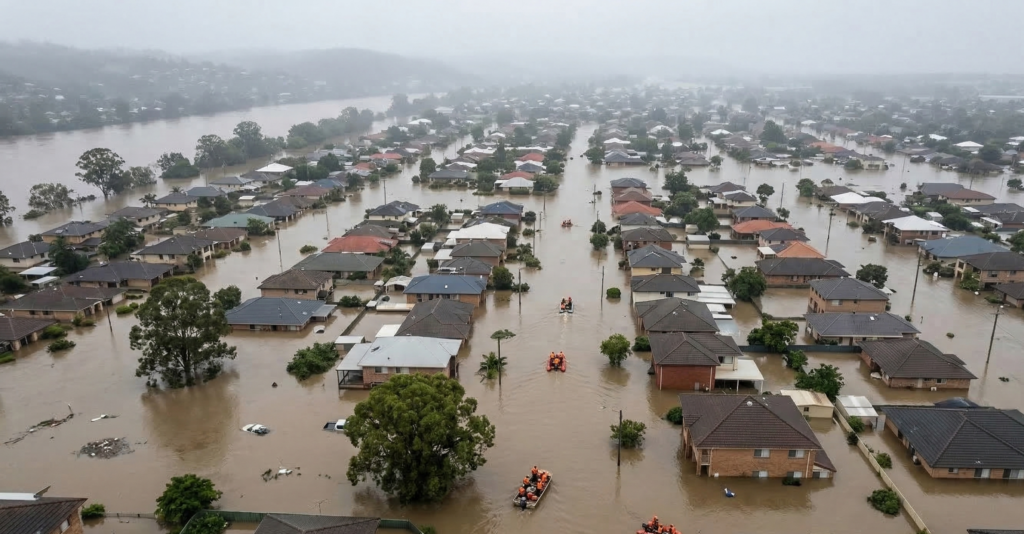
An unforeseen interaction between agriculture and construction came about when the post-war house-building boom and the drive to increase food production collided. Land improvement subsidies were paid to farmers to increase drainage and straighten rivers. This has often caused devastating floods downstream with even about 10% of recent (since 2010) builds at flooding risk. Now farmers receive subsidies to collaborate with environmental scientists restoring wetlands and putting the wiggles back into rivers, benefitting both people and wildlife.
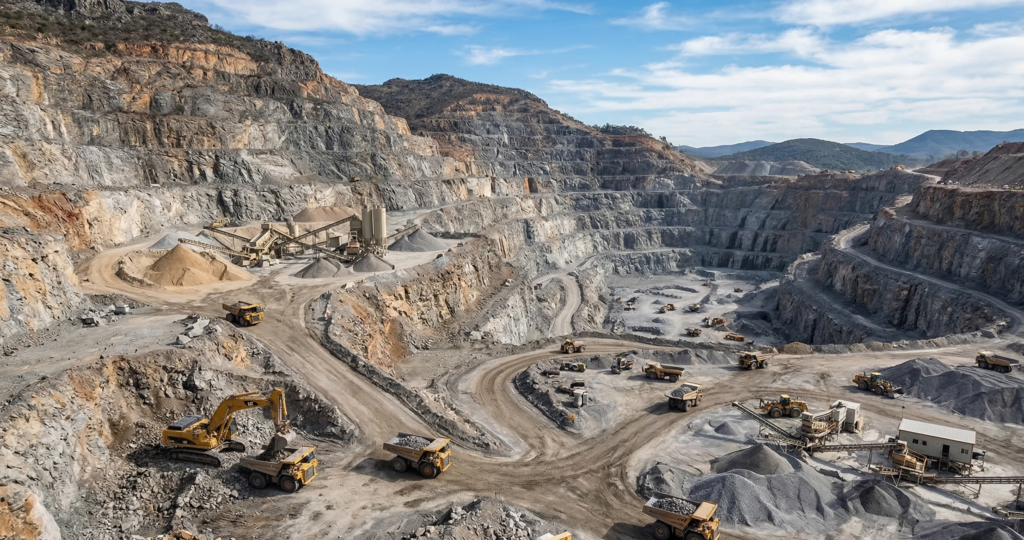
In many cases, concrete rubble from demolished buildings can be used in road construction and other functions thus significantly reducing the cement use.
Design may bring more improvement over the life of a building through materials selection and temperature control strategies.
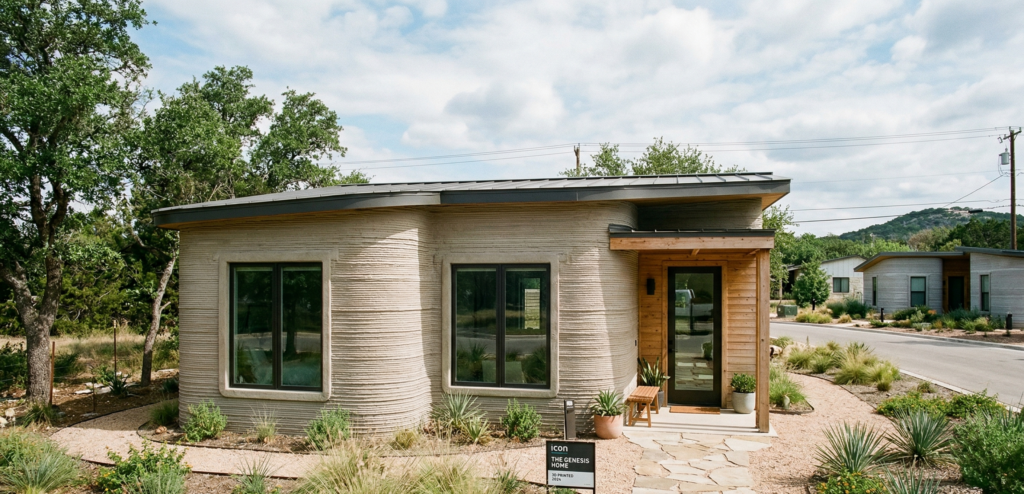
Finally, 3d printing of buildings promises to reduce time and costs while improving sustainability by reducing waste.
Deluco together with our design teams can be your partner in analysing and advising as to how we can economically optimise environmental outcomes and communicate this to your clients.
Deluco: Your partner-in-waiting; expertise at your fingertips